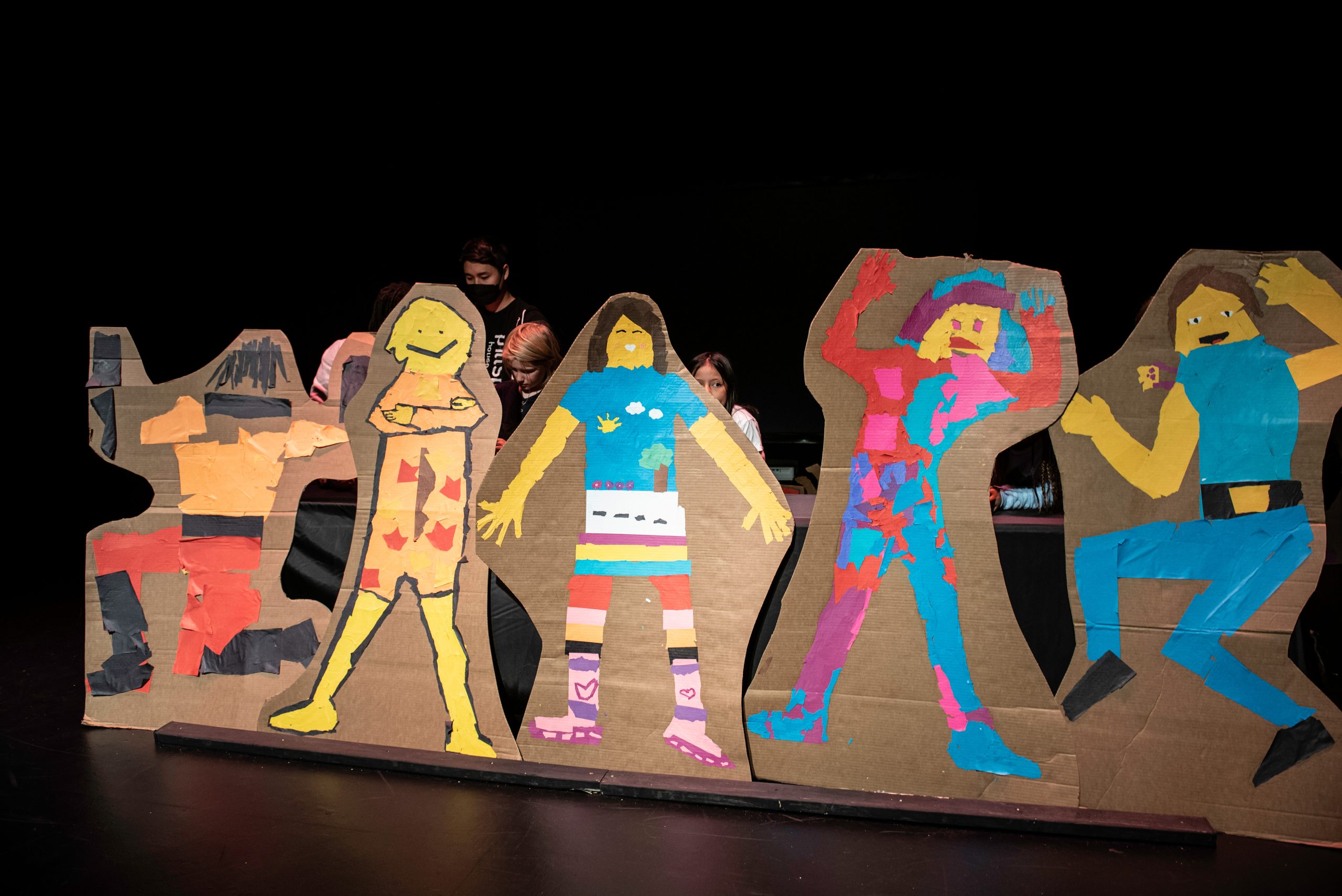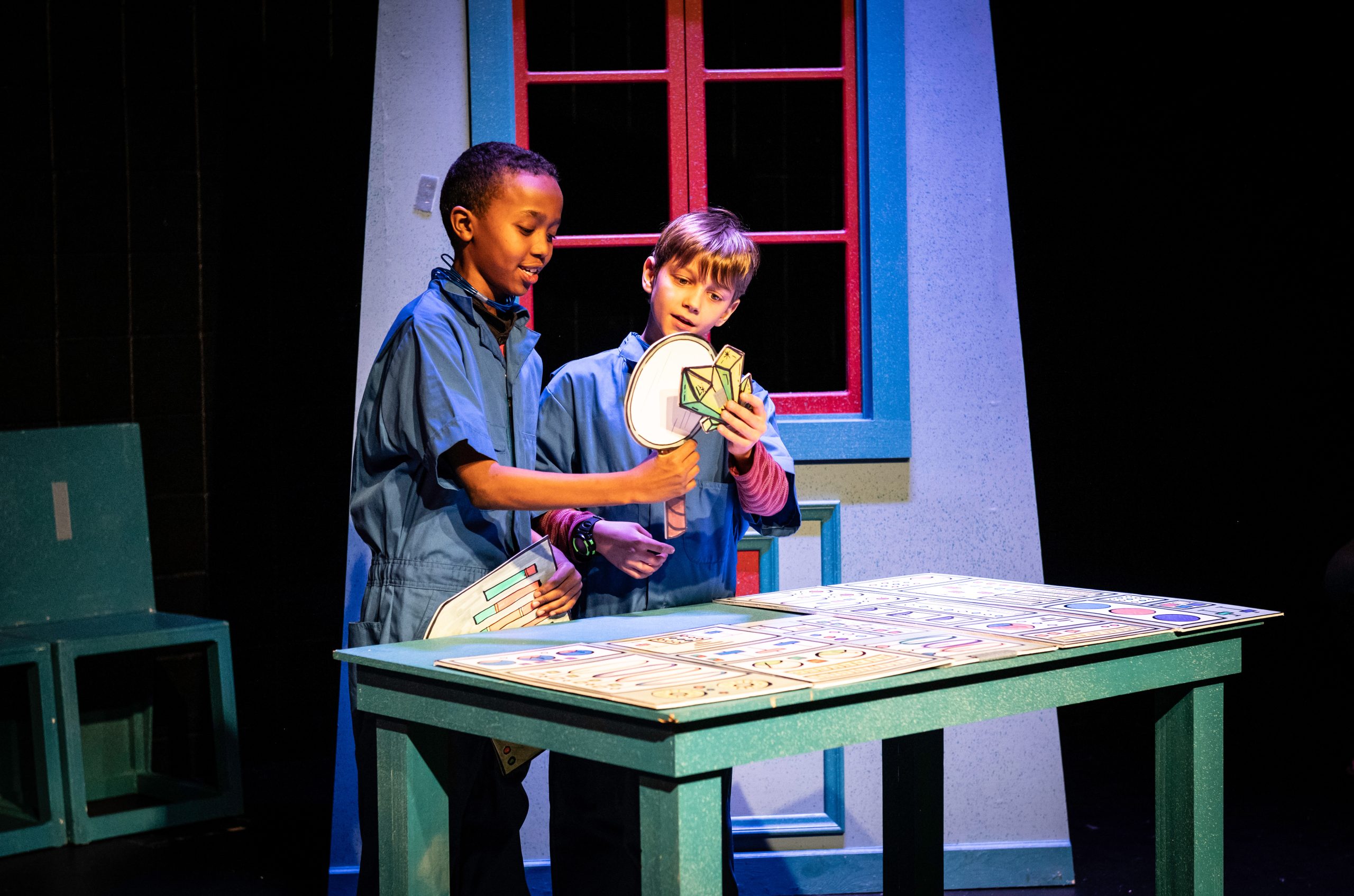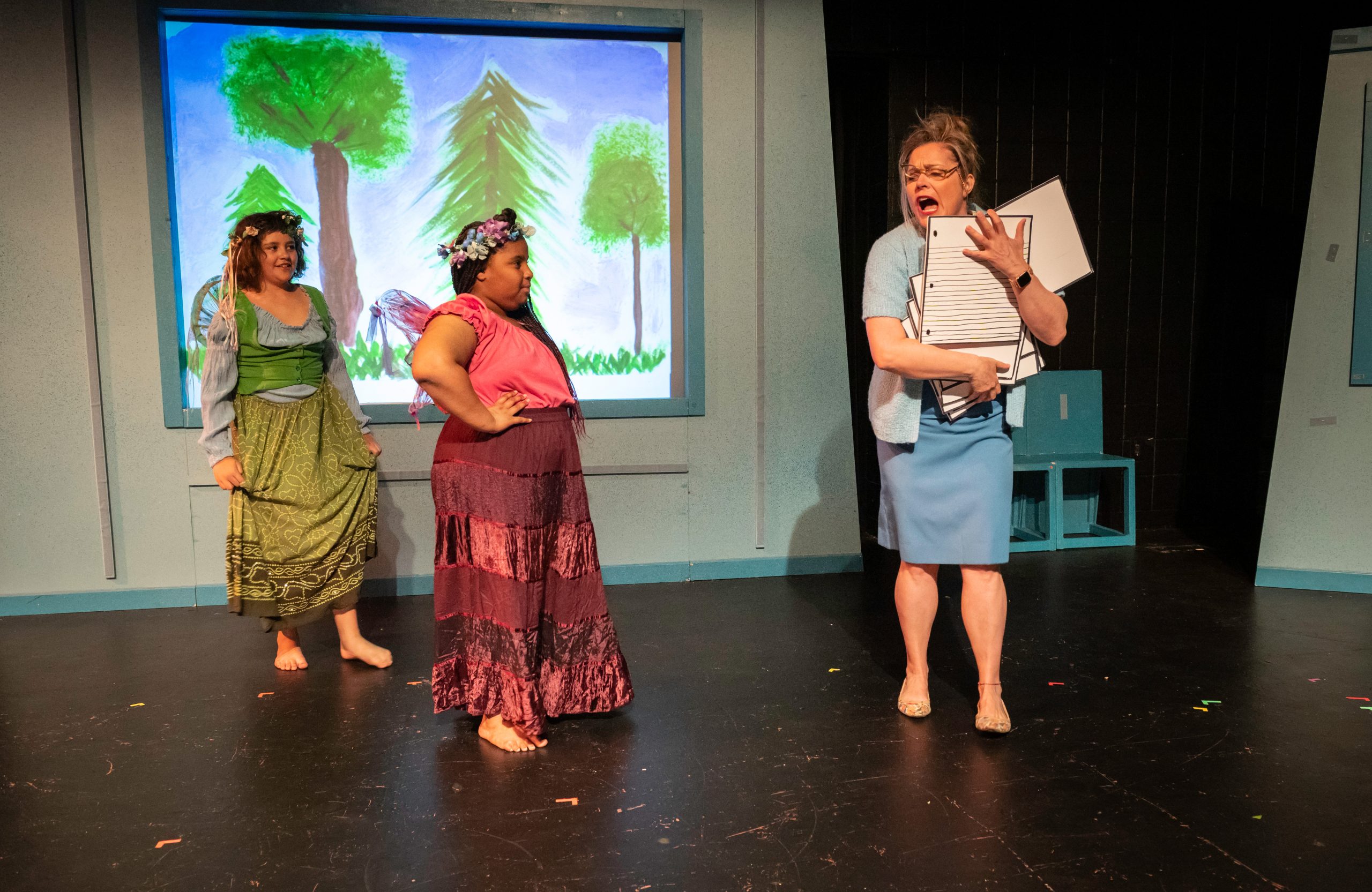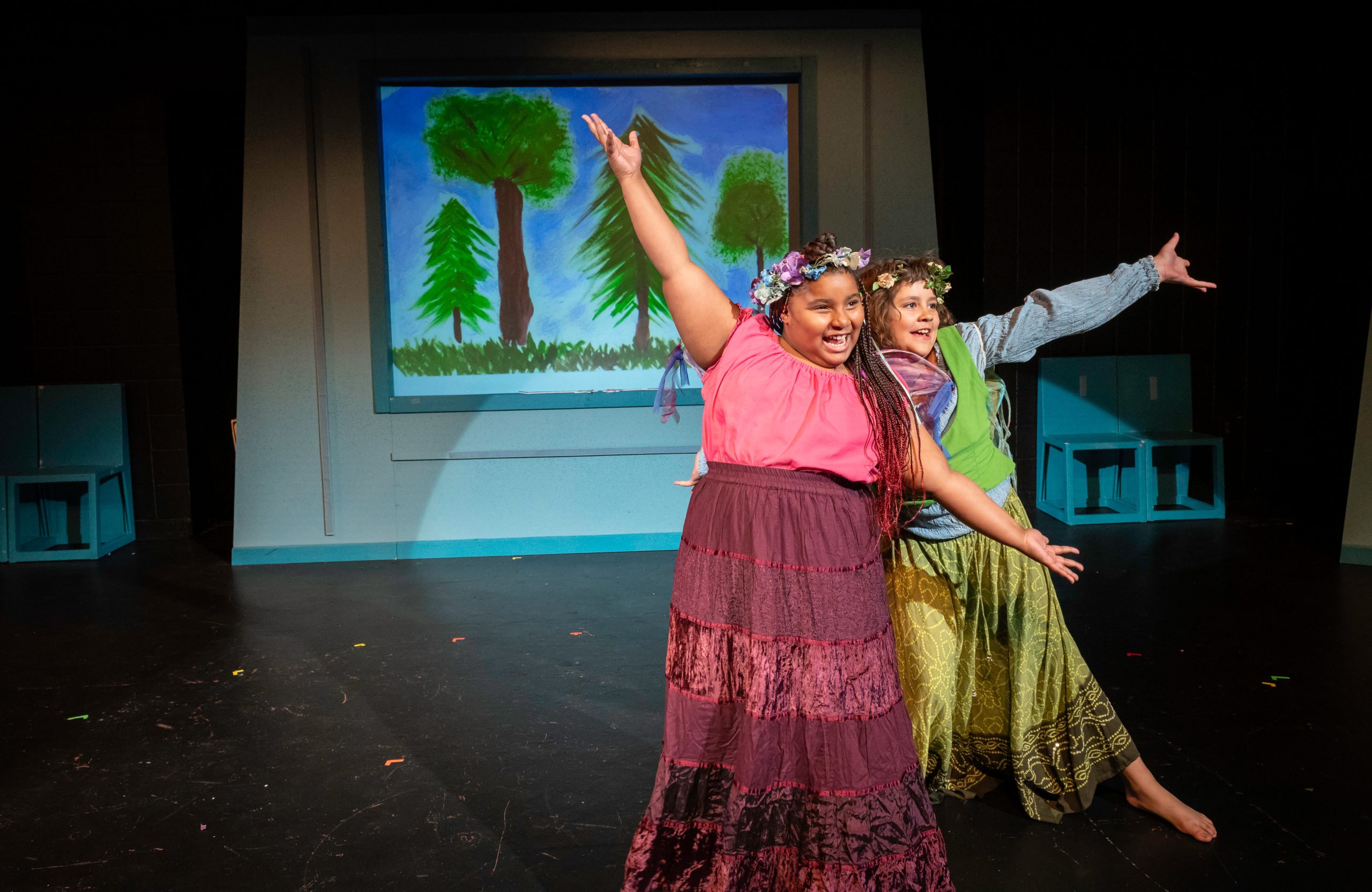

Breaking Ice: An Arts on Chicago Project

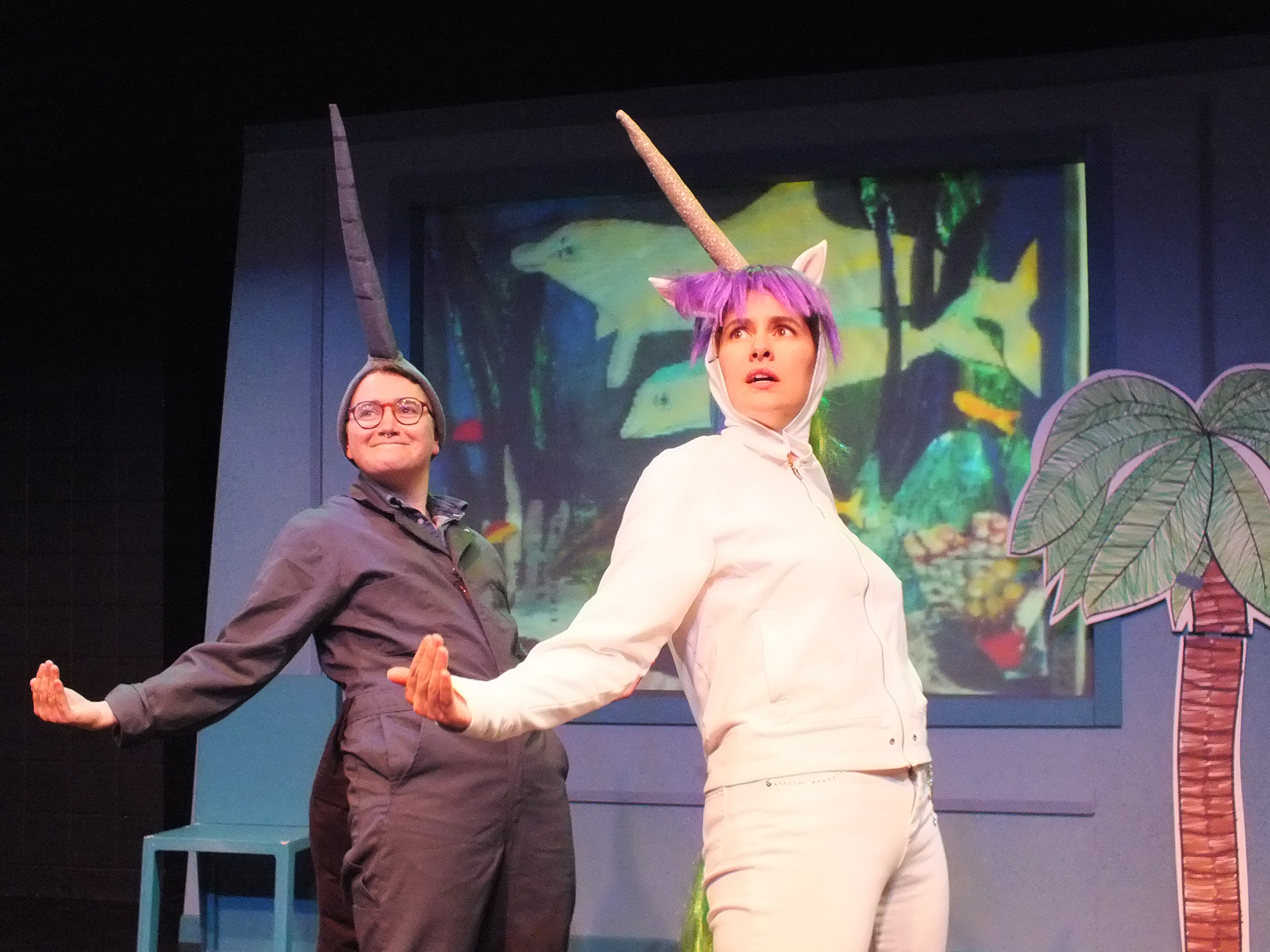
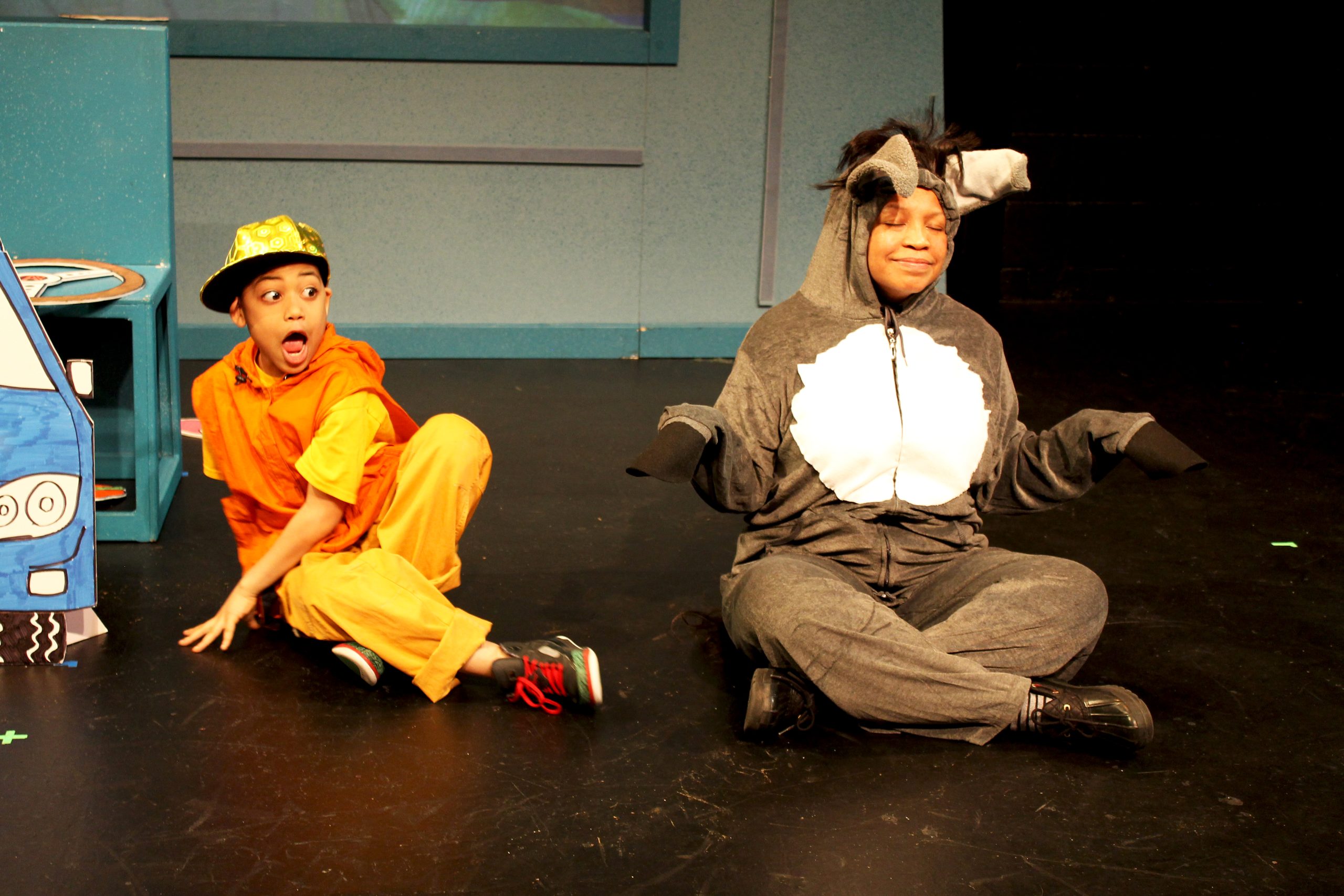
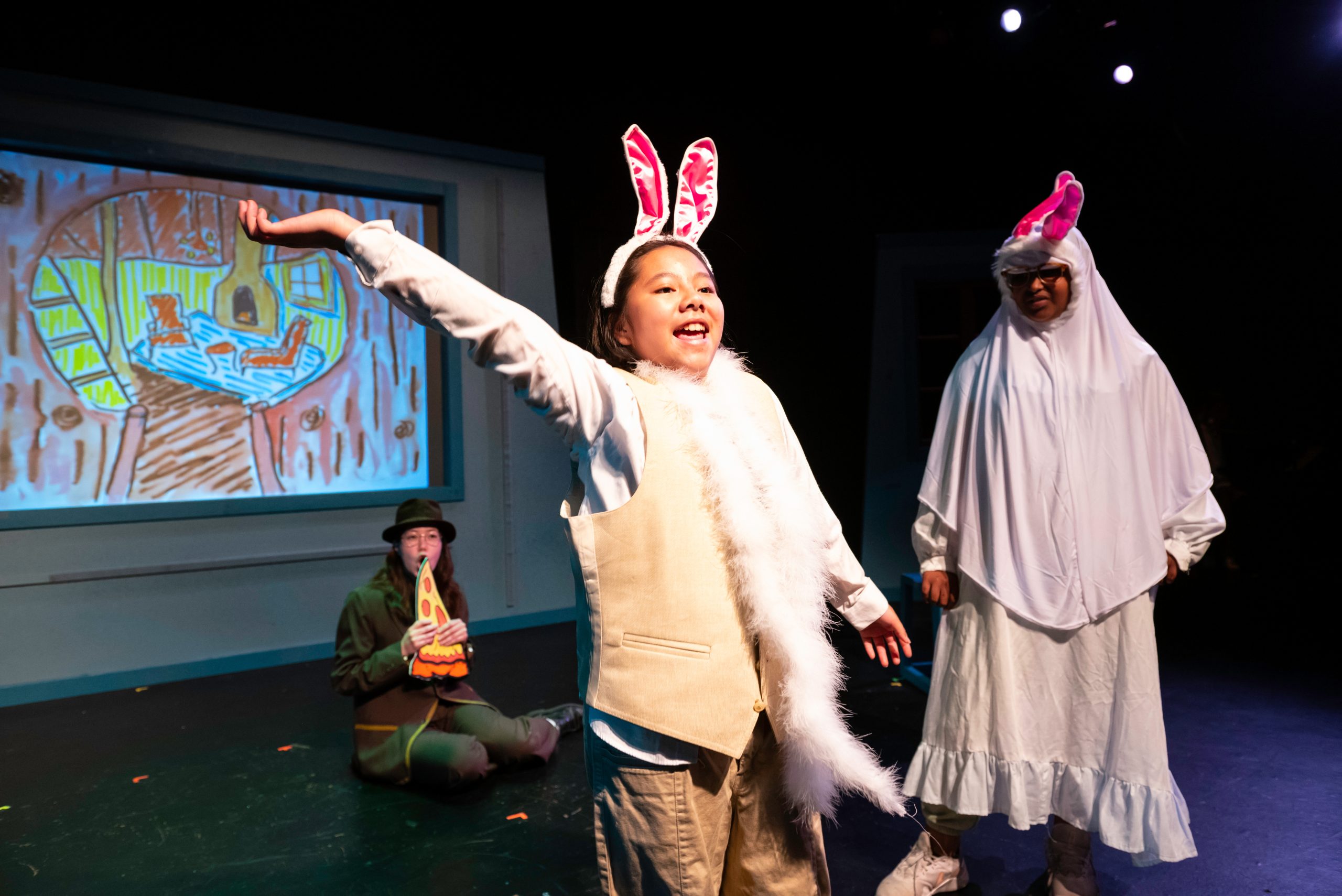
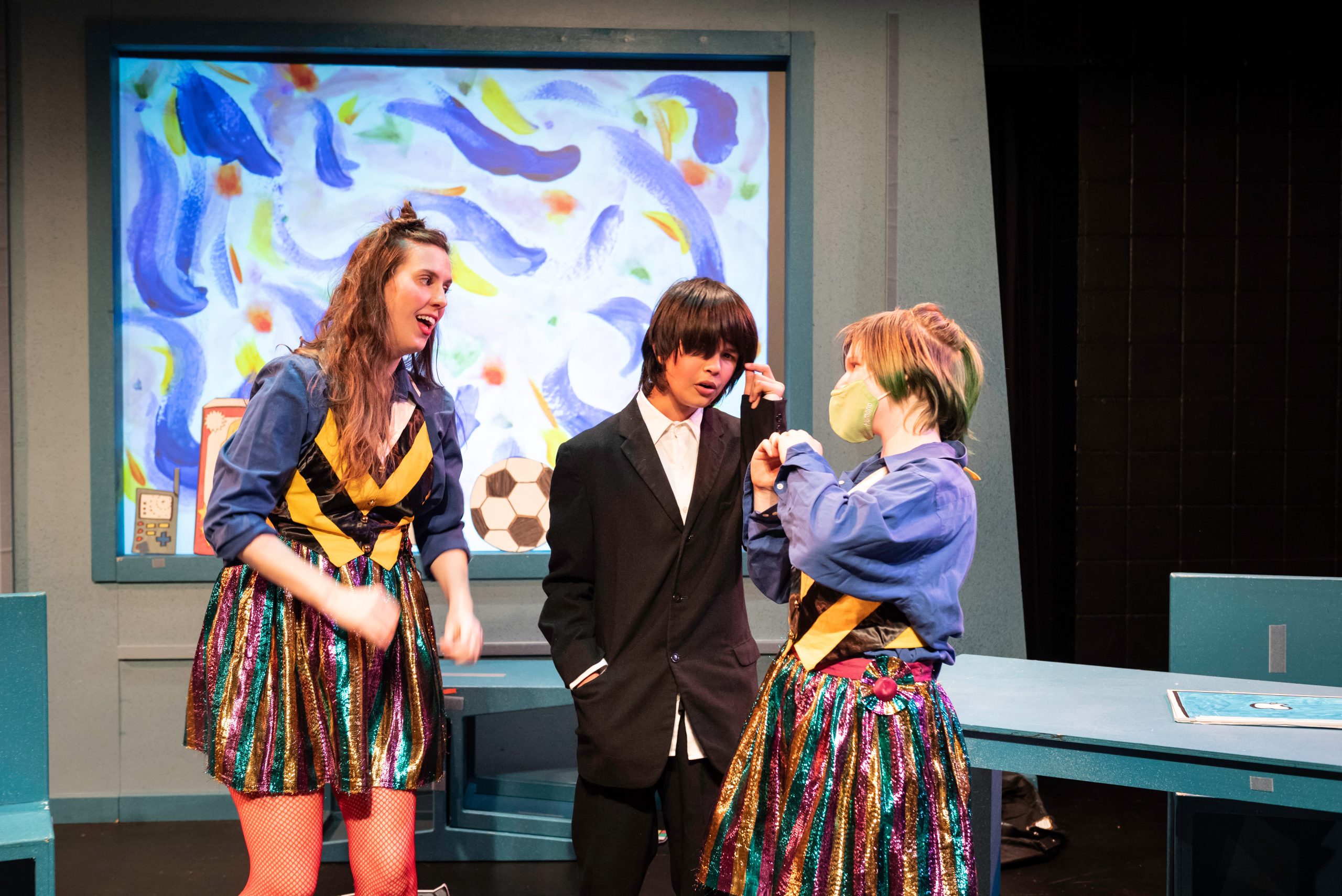
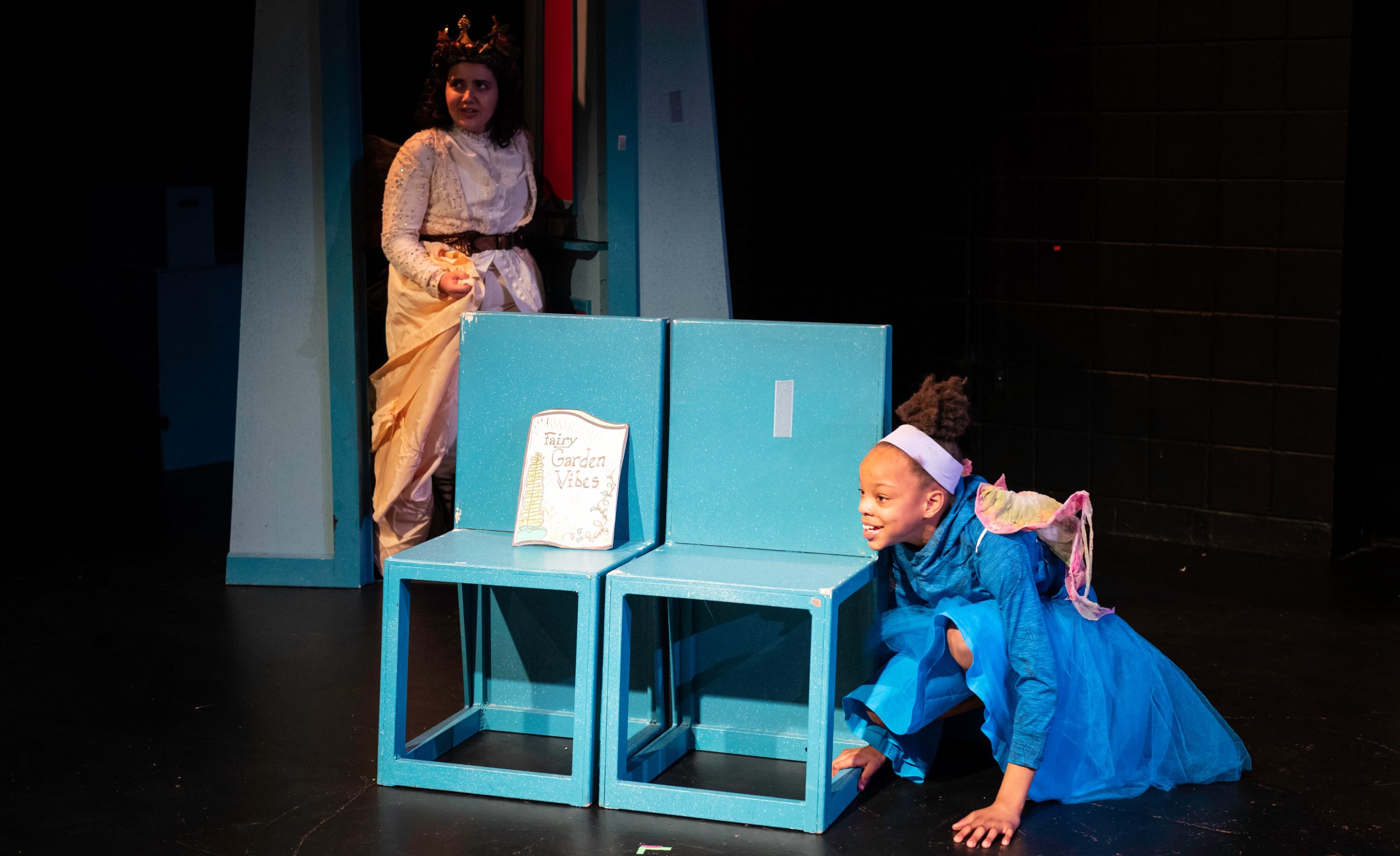
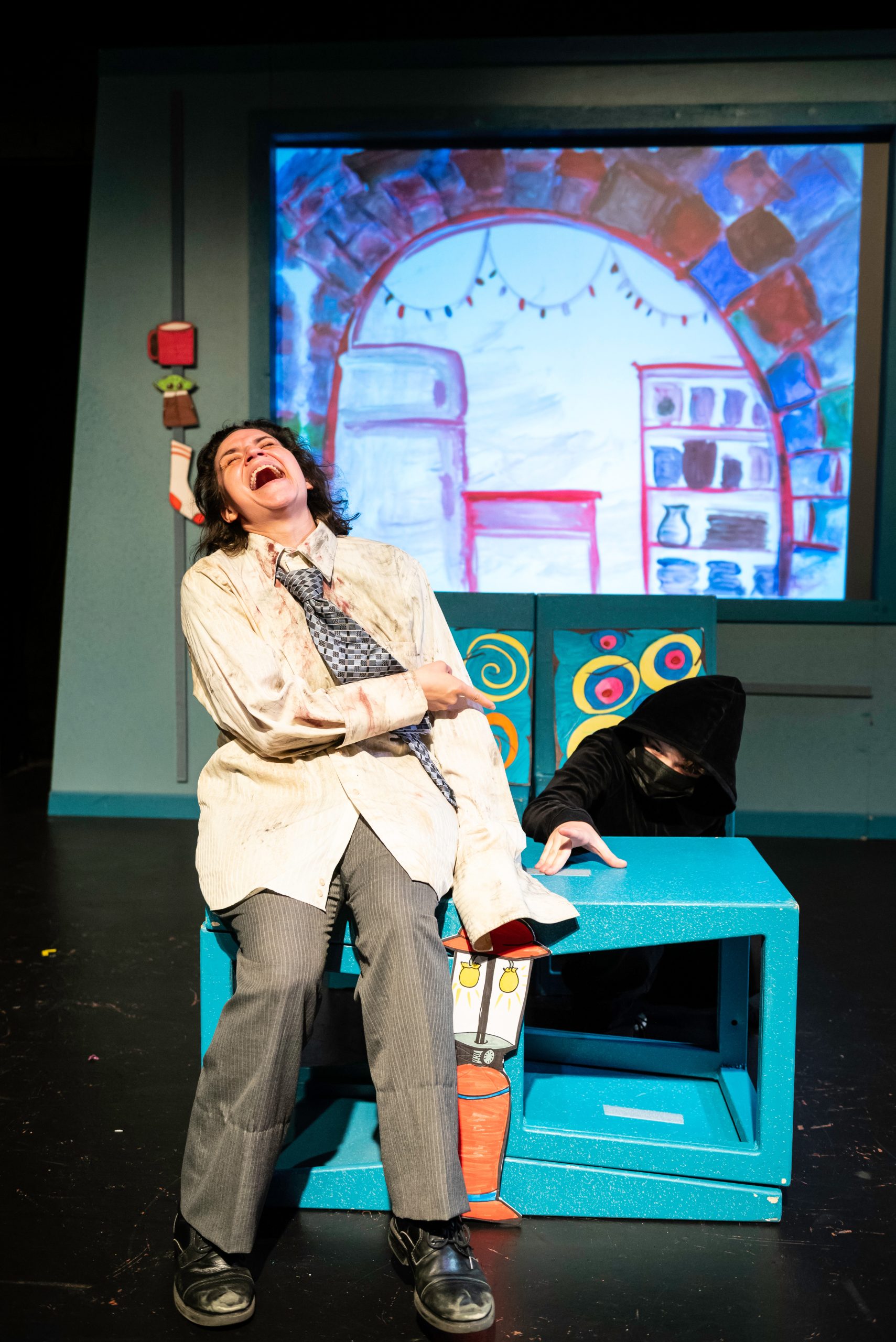
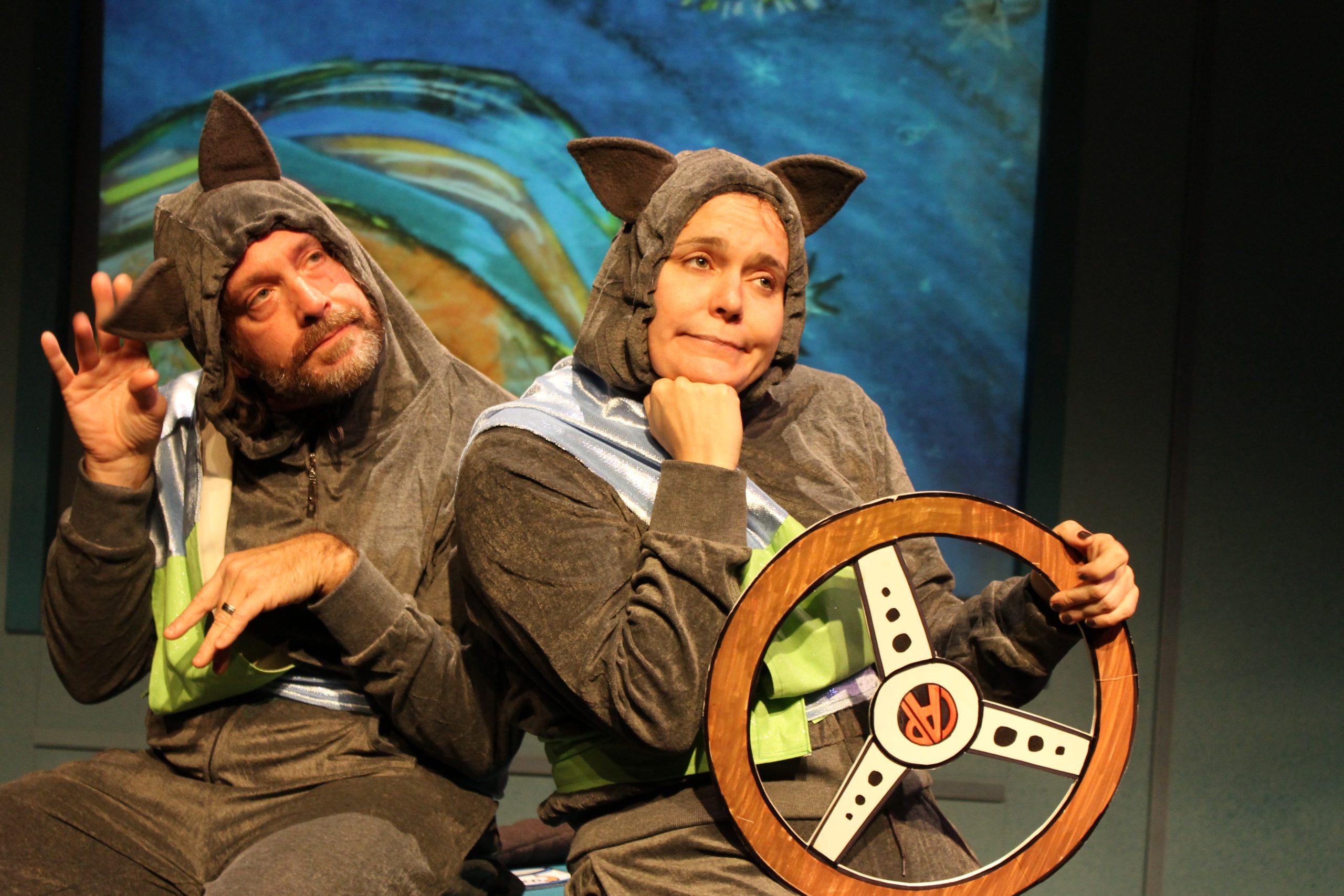
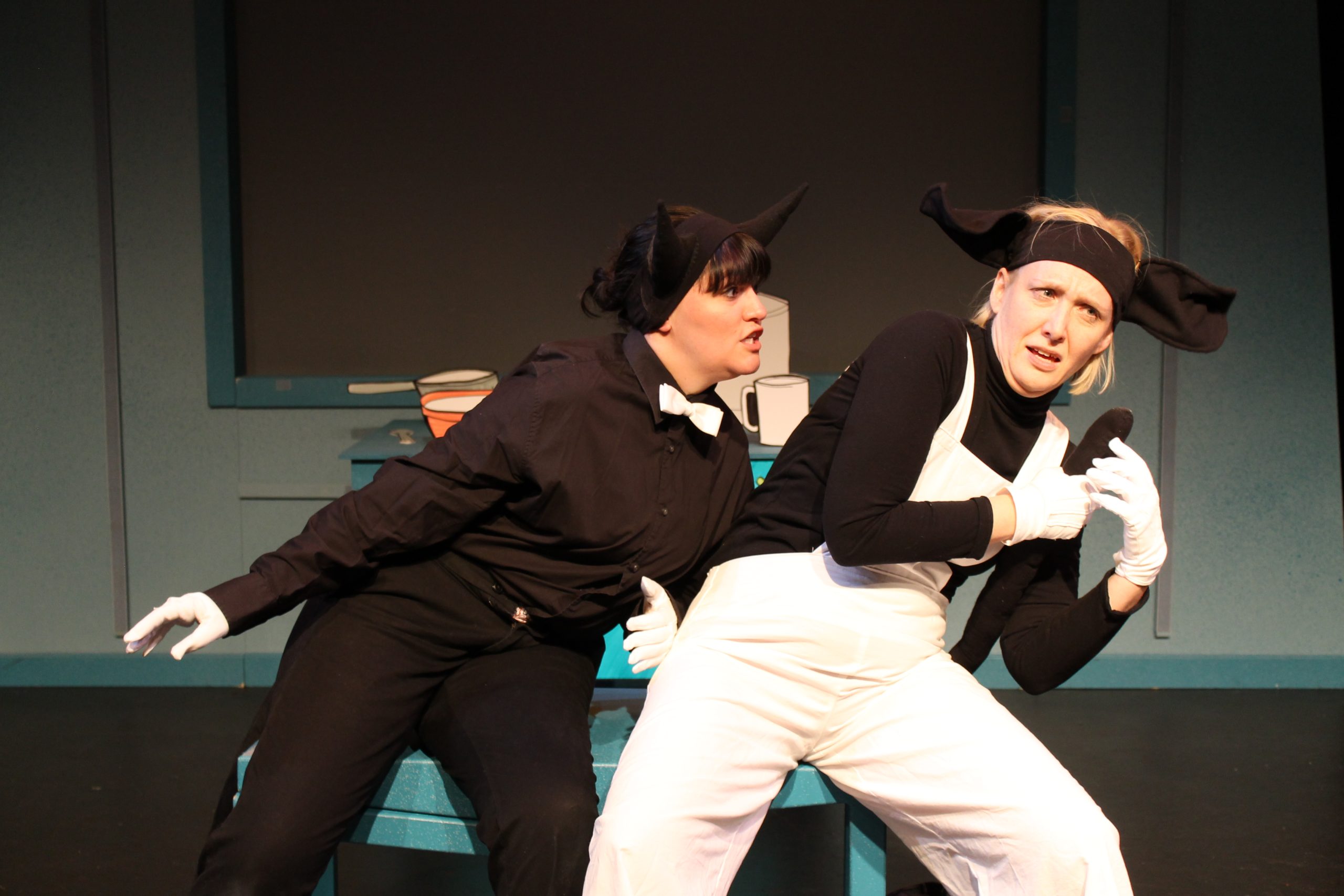
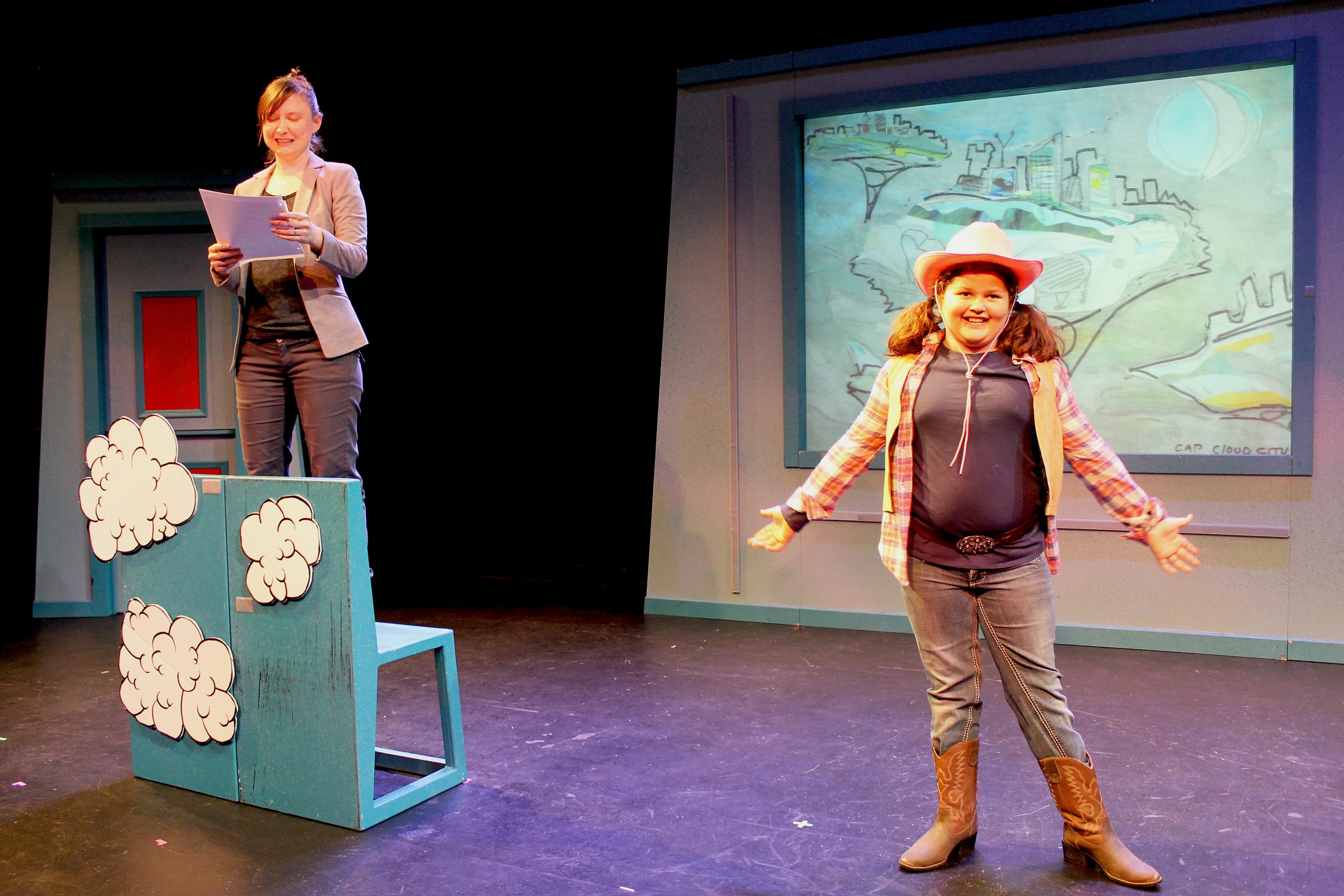
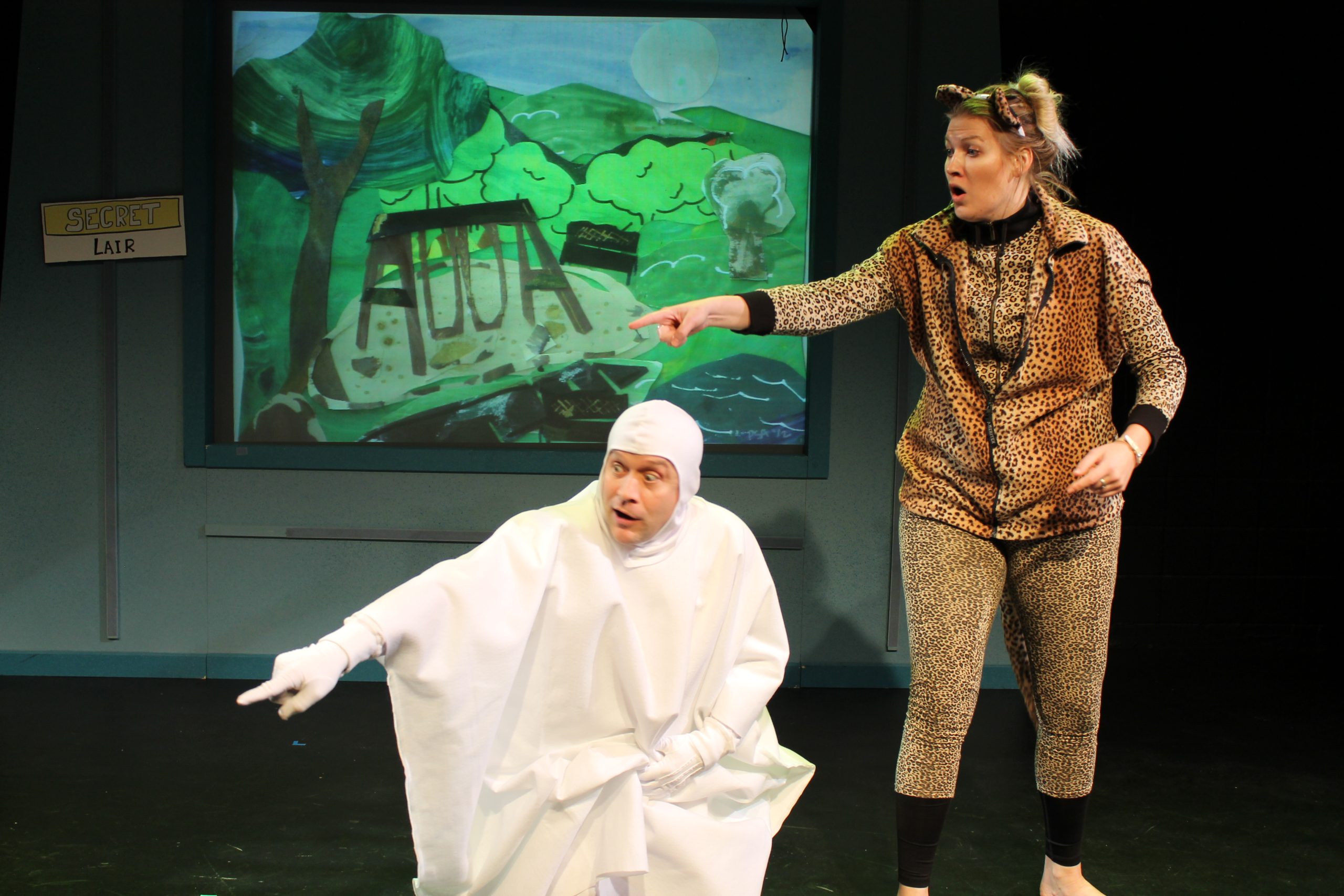
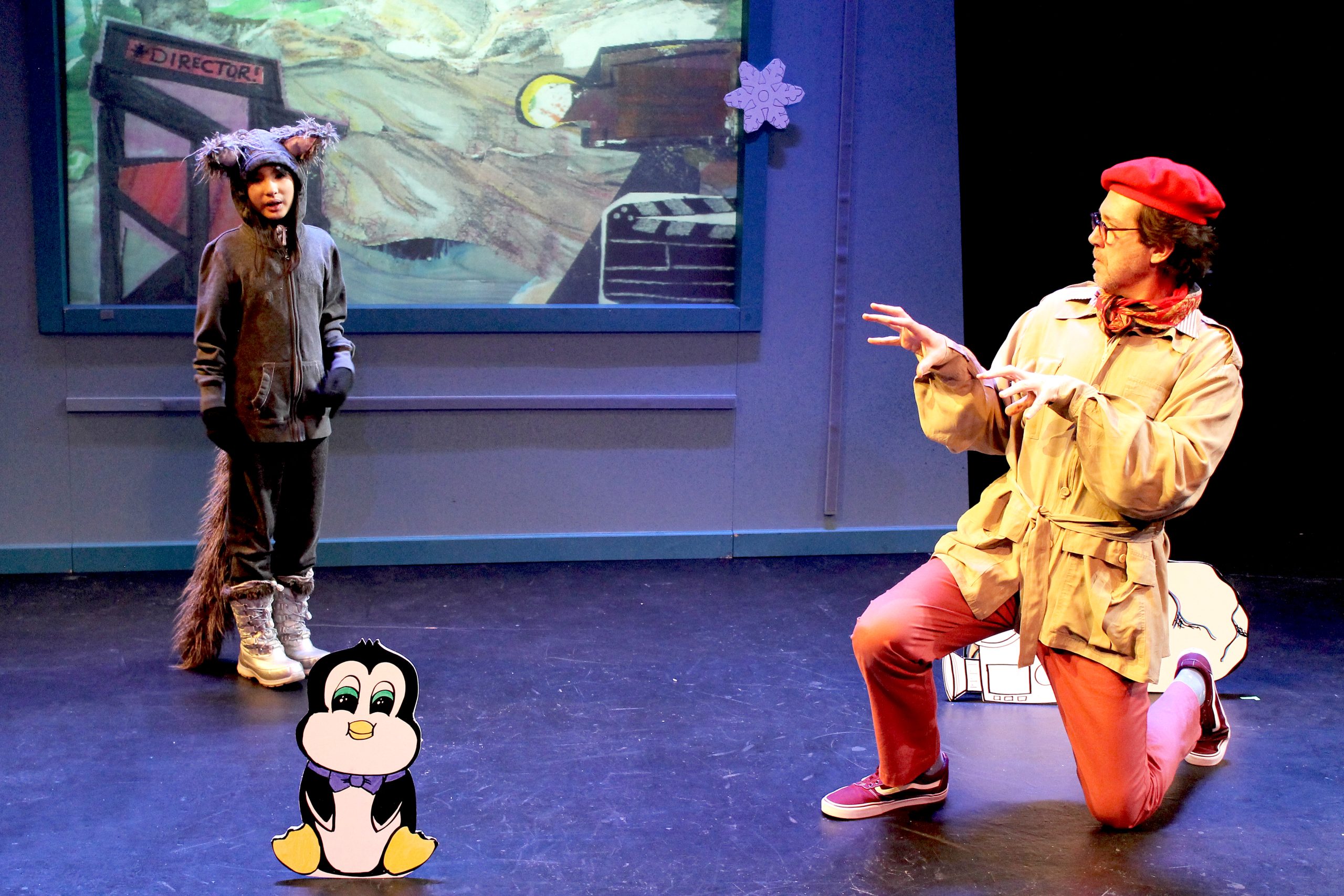
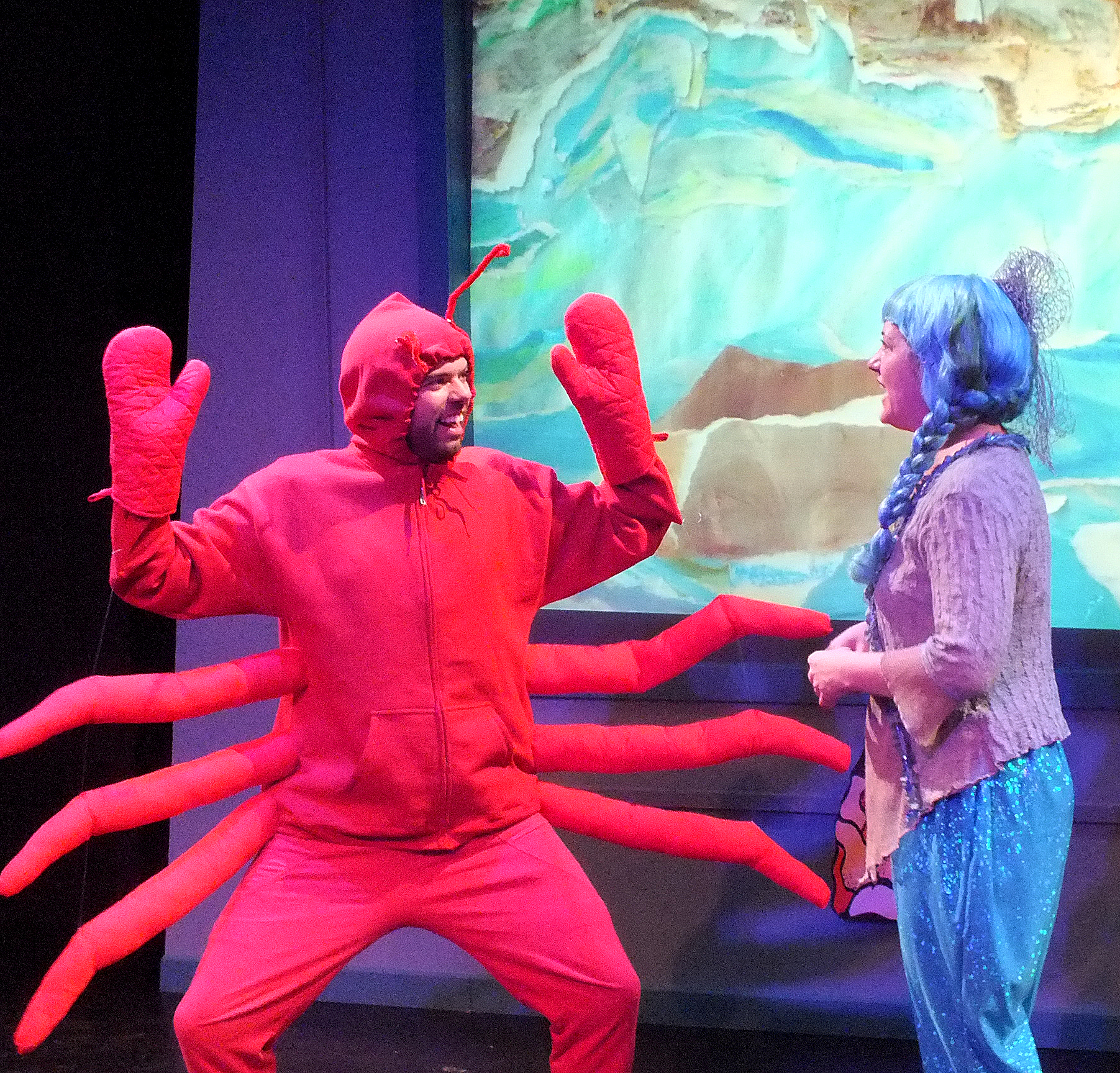
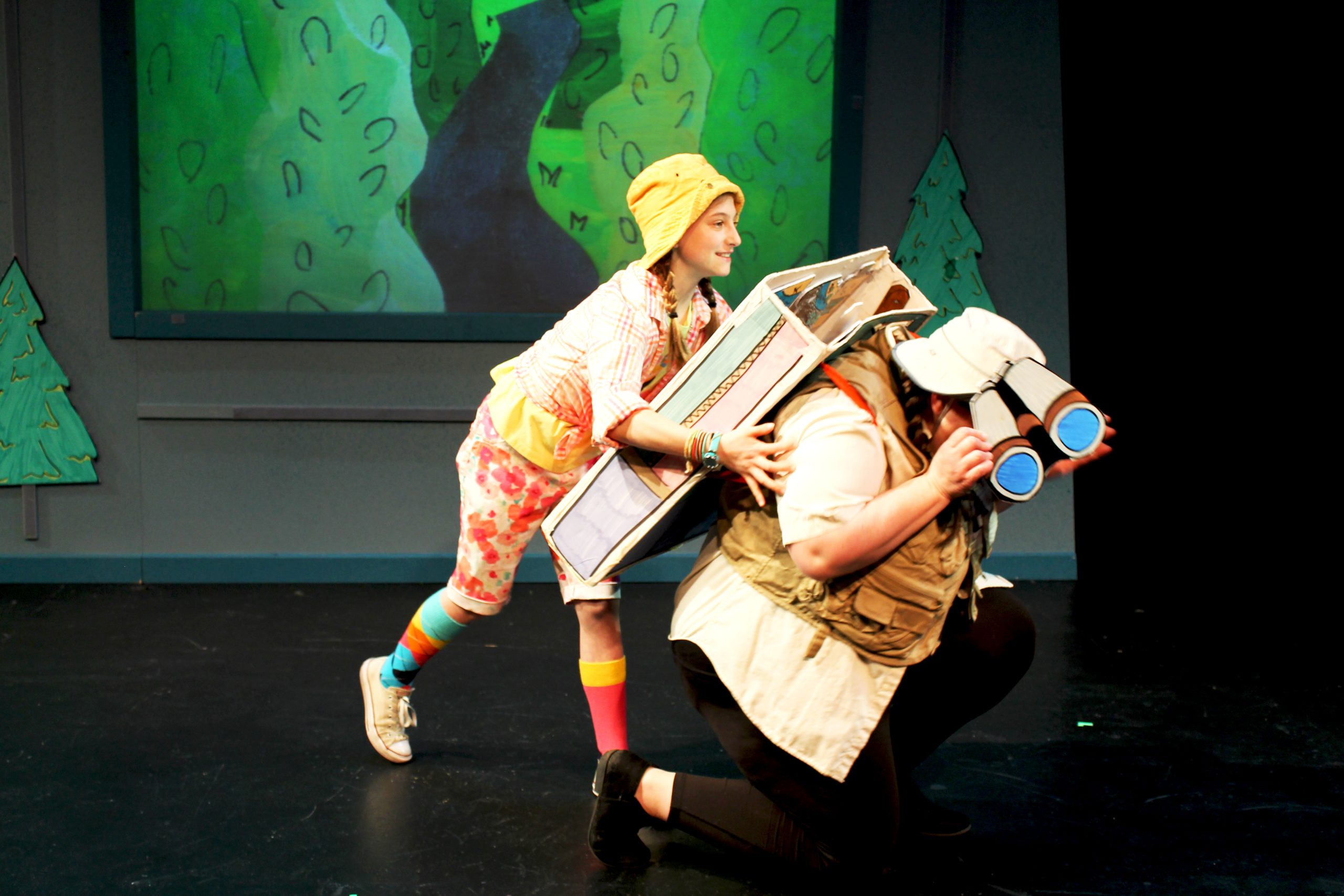
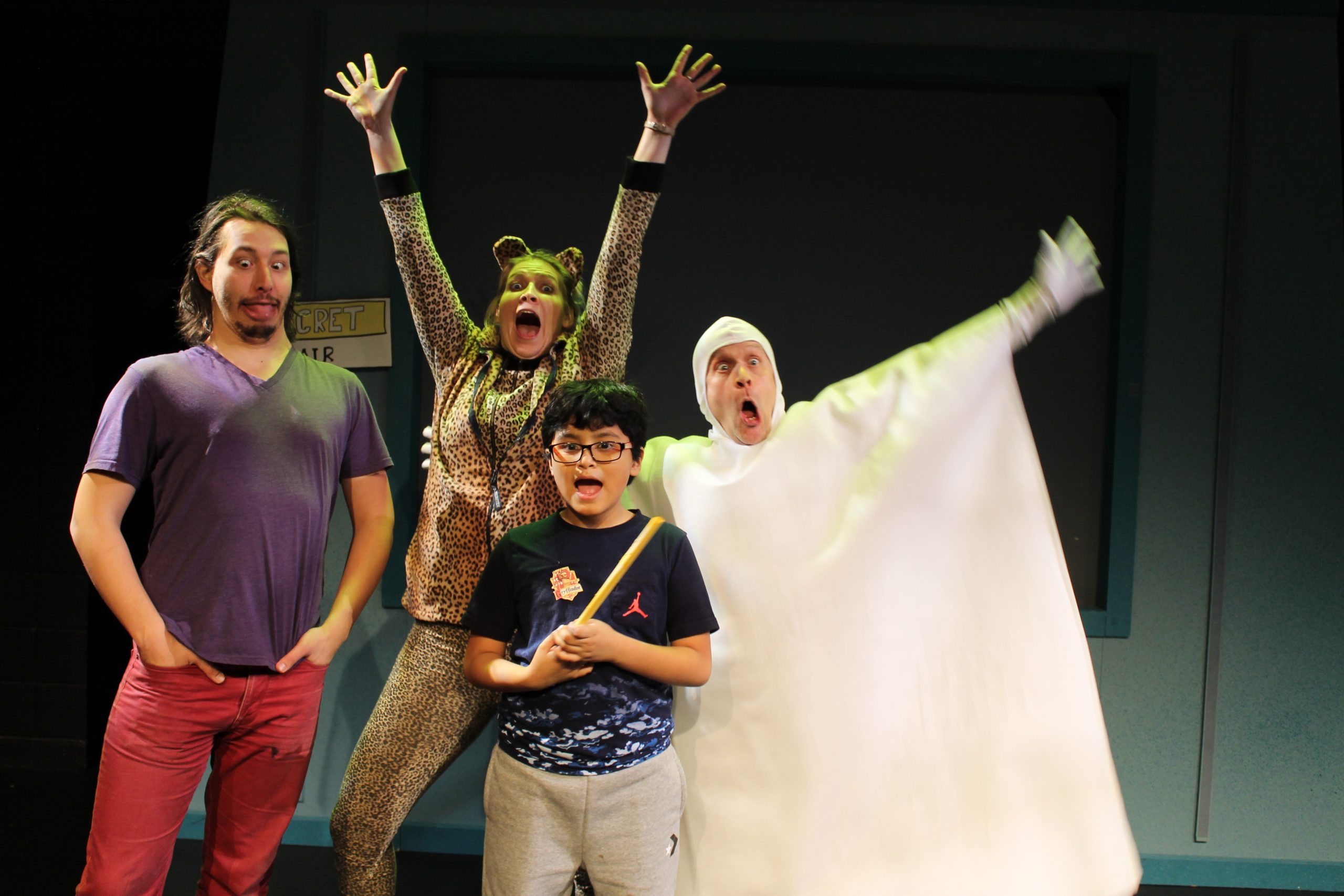
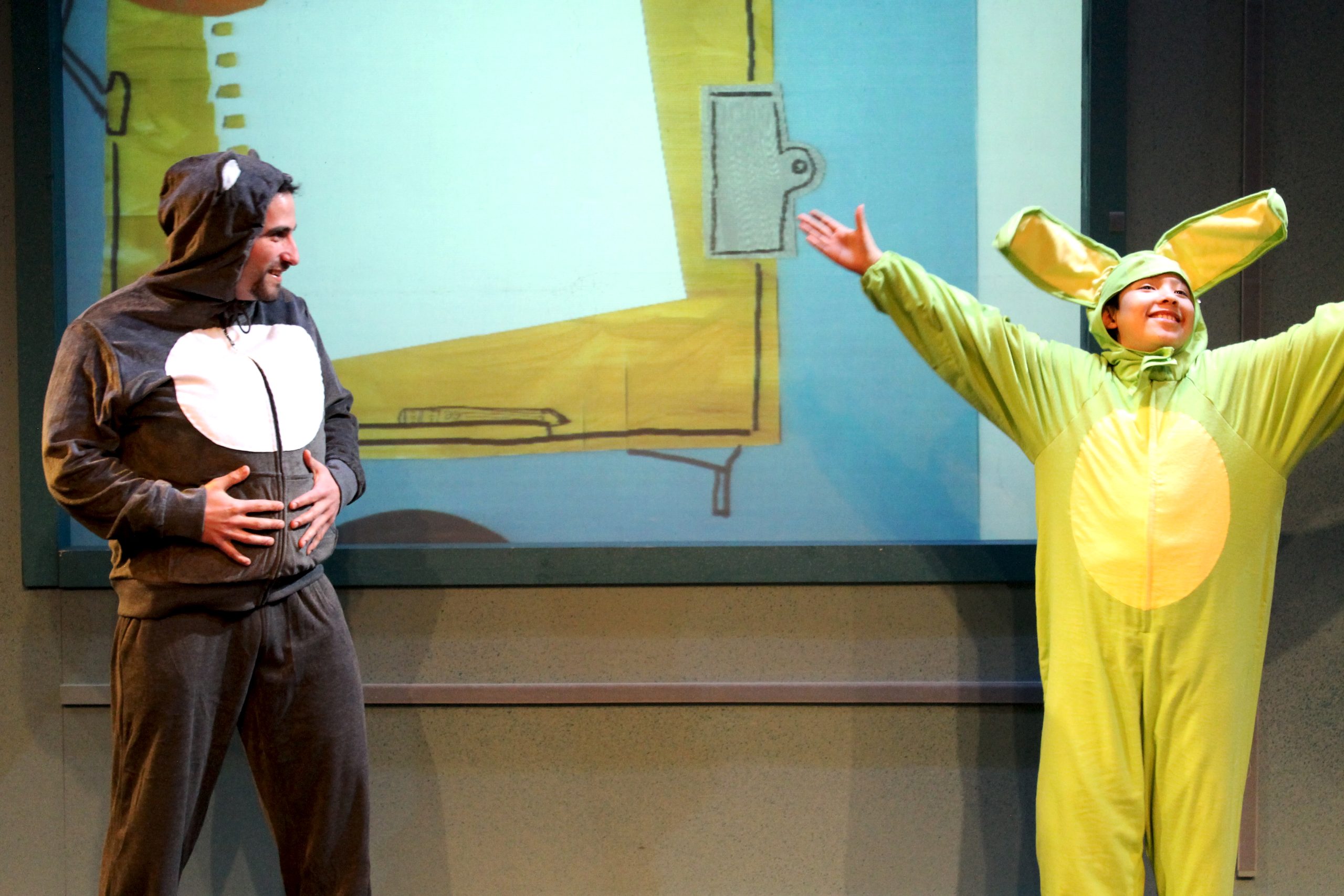
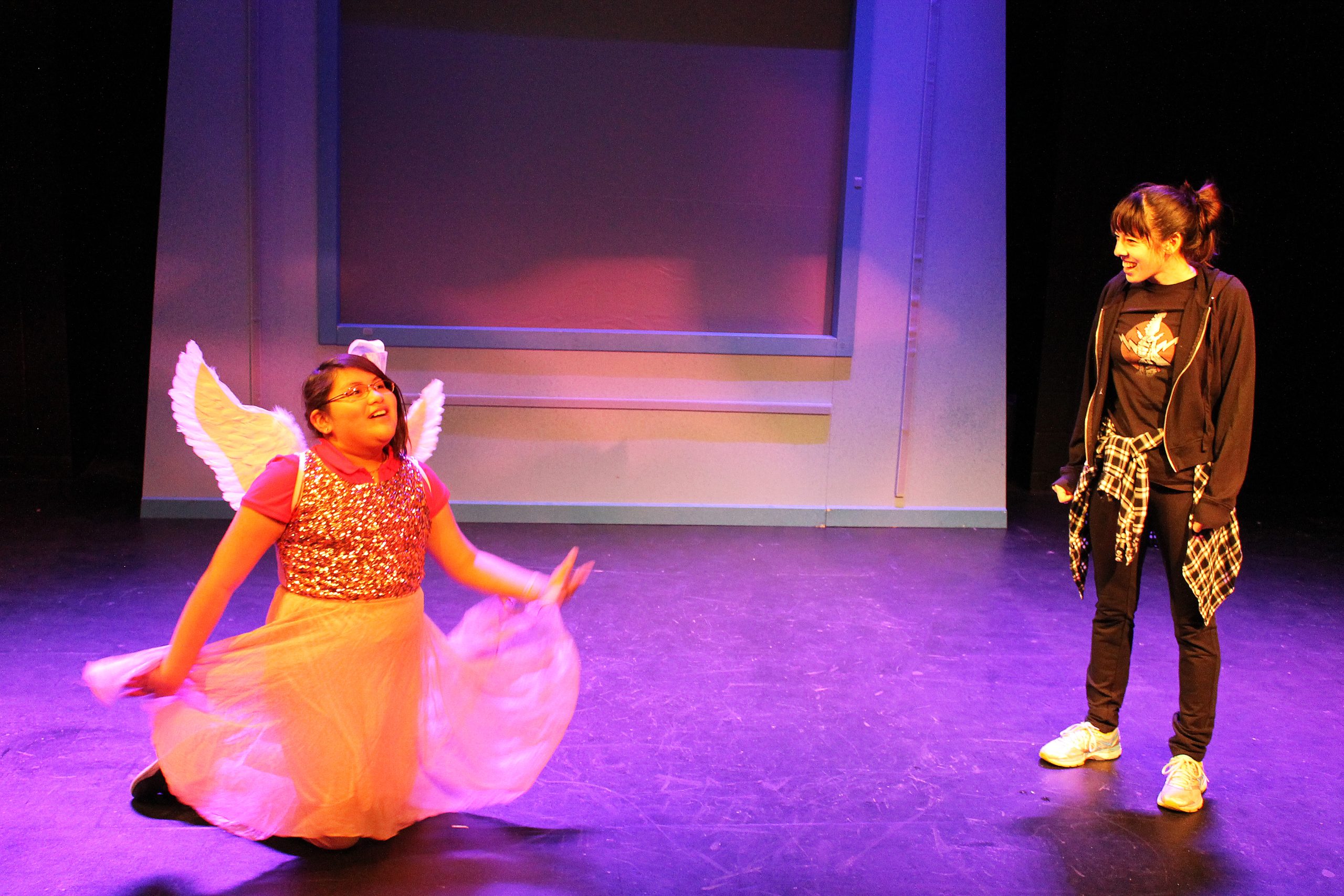
Pillsbury House Theatre’s award-winning Breaking Ice company takes on race, class, and economics in this entertaining and thought-provoking live performance.
- How are our neighborhoods responding to development and change?
- How do we respond to culture clash and conflict?
- How can neighborhoods evolve in economically stable and sustainable ways?
We invite you to join us for the show and participate in a short, facilitated discussion afterward as we confront these questions in an effort to strengthen the ties that bind neighbors together.
February 18, 25 & 26
7:30 pm at Pillsbury House + Theatre (Map & Directions »)
Tickets
Pay-What-You-Can. Pick your price for every performance. ($5 per ticket minimum to reserve in advance.)
Reservations: Call 612-825-0459 or reserve tickets online.
*Free Child Care is available for all three performances. Advanced reservations required: call 612-825-0459.
This production is one of the twenty art experiences in the Arts on Chicago initiative, an arts-based community development project led by Pillsbury House + Theatre, Upstream Arts, the Powderhorn Park Neighborhood Association, and MCAD Professor Natasha Pestich with support from the Ward 8 Council Office of Elizabeth Glidden.
The arts and neighborhood transformation
—
Two weeks ago, I was reading on my couch when I heard gunshots close to my house. Then there were police sirens, yelling and more shots, as it became apparent that the police and someone else were exchanging gunfire. I moved to the middle of my house until the gunfire stopped and then looked out the window to see that a man was down in our alley and the whole block was being roped off as a crime scene. The police were searching my neighbor’s back yard for a weapon and shells, and I realized how close the shots had come to my 4 year old son’s bedroom window.
When my husband, son and I moved to Powderhorn, near the intersection of 38th and Chicago, we were aware that according to some people, the neighborhood had a bad reputation. But when we walked the streets, talked with our neighbors, and stopped in corner stores, that narrative of an unsafe, blighted neighborhood did not ring true. We felt drawn to the neighborhood. We felt at home.
But the shooting behind our house gave us pause. I recently read an article about how scientists have discovered that the brain has a negativity bias . It remembers, stores and reacts more strongly to negative experiences, while it more quickly forgets positive ones, even when the positive experiences far outweigh the negative. This one negative experience of a crime near to my house was threatening to override and obscure all the positive feelings I had about my neighborhood. It was making me wonder if the old narrative of a violent, blighted neighborhood was actually true.
The Saturday after the shooting, Arts on Chicago had its launch party just across the street from where the shooting had occurred. Arts on Chicago is a collection of 20 different arts projects that will happen on and around Chicago Avenue over the next year and that will be carried out by artists that live and work in the neighborhood. My husband and I had planned on going to the party, but our babysitter fell through and we were resigned to stay in for the evening. But at around nine at night, after reflecting on the events of the week, we realized that we both needed to make peace with the neighborhood. We called a neighbor and asked her to come over to babysit and at 9:15 were out the door and at the Arts on Chicago party.
At the event, we learned about all of the arts projects that were going to happen in our neighborhood in the coming year. And crucially, the event gave us a space and time to connect with other people who live and work in this community. I met Forrest, one of the artists involved, and realized that his daughter goes to preschool with my son down the street at Urban Arts Academy. I met Jerry, someone I had seen around the neighborhood but never met. He had recently displayed his amazing sports memorabilia collection at Blue Ox Coffee shop, and we had a long talk with him about the heartbreak of being a Chicago Cubs fan. I met Jenny, who lives around the corner from me and is involved in the Eye Site project; I agreed to have her and two other artists paint a glow in the dark mural on my garage. And when Dylan, another artist, asked me to tell him a story about living in the neighborhood, I did not tell him the story of the shooting that should have been the most fresh in my mind. Instead I told him of how when we moved into our house, our neighbors– some of them who have lived on our block for over 30 years–stopped by to tell us stories about our house and the neighborhood. They told us that 6 children had been raised in our small house, that once there was a neighborhood party in our backyard of over 100 people, and that there had been ups and downs in the neighborhood, but that they had never thought about leaving because this was their home. The promise and potential of Arts on Chicago is not only that it will create new narratives about this neighborhood, but that it will bring to light the rich history of this neighborhood often obscured by negative stories. An influx of artistic creativity will not solve all of the problems of this neighborhood, but it will bring us out of our houses on a Saturday night to talk to one another. And the next time we hear a story about another crime committed or about how unsafe the neighborhood is, the signs, murals, exhibitions and photos will remind us that no single story can capture or contain this place.
Bree Sieplinga, Associate Director Upstream Arts
Why Arts on Chicago matters
Hi I am Noel Raymond Co-Artistic Director of Pillsbury House + Theatre. I have been working at PH+T since 1995 – I was hired originally on a grant to use theatre to help women (who were on what was at that time called ‘welfare’) move into the workforce, to help chronically truant teens succeed in school and to help adults with developmental disabilities build social skills – oh, and to make professional theatre that provokes, disturbs and motivates…
Fast forward 13 years and, in late 2008, I find myself, along with my co-director Faye Price in charge of not only the theatre related stuff but also all of the social service programs of Pillsbury House Neighborhood Center – a daycare center, homeless youth services, HIV education, tax preparation – and lots more. In my 17+ many years making theatre inside the neighborhood center, I had seen the arts make a difference in daily, incremental tiny ways as well as in life-altering, sea-changing profound ways over and over again…which is why Faye and I set out to integrate the arts and creative practice into everything that happens at PH+T – and it is why we believe so strongly in the ArtPlace goal of using the arts to build vibrant communities.
In our current work, we’re building on ideas from the ground-breaking research done by people like Susan Seifert and Mark Stern, and Minnesota’s own Ann Markusen – showing that lots of benefits accrue to communities that have high concentrations of artists and artistic activity – benefits that actually help ameliorate the negative impacts of persistent racism, crime and poverty – and we are trying to create the conditions that the research shows produce these benefits.
And the good news is – we don’t have too far to go – this neighborhood is full of artists, arts businesses and creative community building activity. Our role now is to knit together, highlight and support these creative assets while making sure that everyone has a way to get involved and lend their voice to the conversation. We’ve started by stitching together this Arts on Chicago partnership with Upstream Arts, Powderhorn Park Neighborhood Association, artist Natasha Pestich and with the support of the Council Office of Elizabeth Glidden. Together, we have just finished selecting the second half of the twenty projects we will be implementing as part of our ArtPlace “Arts on Chicago” project. All of the projects will be done by people who live or work in this neighborhood. Two examples include – A photography project by Wing Young Huie who will be introducing neighbors to one another by photographing them together and then exhibiting 100 of these photos which will also include text in 10 businesses along the corridor with public openings for each. And Molly Van Avery’s Poetry Mobile project – Molly will be building a writing desk on wheels with the help of the homeless youth from Full Cycle Bike Shop. She will then travel the neighborhood writing 3000 poems with neighbors and mail them to all 3000 households in Powderhorn.
So, last week my son had to write a persuasive essay for his 10th grade English class – he chose to write about why arts should receive public funding (yay!) – he came and asked me for my opinion and I initially had lots of my usual responses about how the arts stimulate economic activity, build individual skills, bring people together, create a space for civic dialogue, bridge differences… – but his question inspired me to reflect on a really personal level about what it is during my 17 years of working at PHT and making theatre in this community that is so powerful and necessary and unique – and, for me, it is the act of imagining – being able to dream up – with other people – something that never existed before – really see it and then, together, make it come into being. There will be lots of opportunities through the Arts on Chicago project to do just this – from something as simple as the 5 bicycle racks that artist Kelly Brazil will make from repurposed materials to the handmade signs that Peter Haakon Thompson will make with neighbors to connect people and identify who lives here. We are actually standing in front of one of the AOC projects right now – And, so I’d like to introduce you to Heather Doyle the artist leading this project and the director of the Chicago Avenue Fire Arts Center.
View all Arts on Chicago posts »
The 20 Projects that make up Arts on Chicago:
Jenny Schmid, Drew Anderson & Andrea Steudel
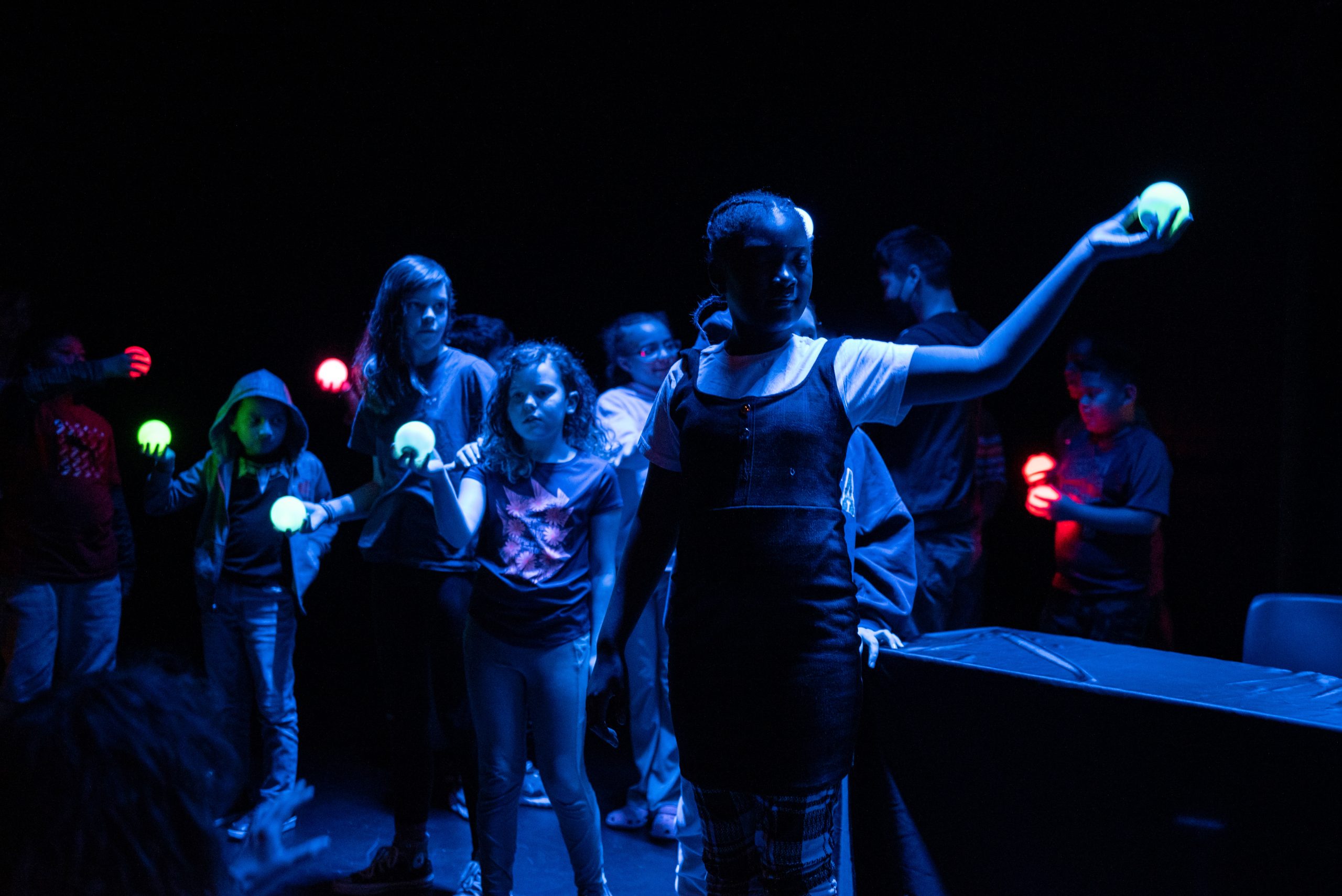
Eye Site harnesses the ample network of privately owned motion sensor lighting around the Chicago Avenue corridor to charge glow-in-the dark images for an immersive nighttime tour through the area. This project makes clever use of the infrastructure of motion sensor lights that would not normally inspire art.Masa Kawahara
Kawahara will work with community artists and adult volunteers to create the Chicago Avenue Stilting Club, a youth stilting and performance group. Thirty sets of stilts will be maintained by the club and made available to the community through training and stilt walking certification.Dylan Fresco
What Grows Here? is a 60-minute storytelling performance/guided walking tour along Chicago Ave between 32nd-38th streets. Dylan Fresco and Michelle Barnes will lead the audience while sharing stories gathered from people who live, work, and go to school here. Stories will also be posted in the neighborhood and archived online.StevenBe
StevenBe and the StevenBe Creative Community Foundation are proposing a “living” installation beginning at our location at 3448 Chicago and emanating outward through the corridor. This installation “lives” by evolving with new fiber art additions, yarn graffiti, community activity within our art garden, arts and crafts education, and the spread of creative projects along the corridor in line with our Foundation’s philosophy of giving back through the fiber arts.Patricia Anderson
The Collage Collaborative will exhibit collages created by children in the community centers along the corridor. The images will be informed by conversations with adults and seniors about Chicago Avenue’s community. The artwork would be displayed at community centers, as postcards distributed at corridor businesses, and on the artist’s website.Peter Haakon Thompson
The Mobile Sign Shop will function as a mobile, municipal sign shop designed to create hand-made name signs for the neighborhood with the goal of increasing residents’ connection to each other while giving people who travel on Chicago a sense of who lives here, adding residents names to our community spaces.City Food Studio
A sculptural façade encapsulating the front of 3722 Chicago, using salvaged metal to create a cityscape echoing the art-deco silhouette of the adjacent strip of artist galleries, building an identity for the CityFoodStudio rental kitchen housed in the building, and reinforcing the developing urban/art vibe of the Chicago Avenue corridor. Built into the façade will be a set of “windows” in which local artists will be invited to develop and show their work.Upstream Arts
Expanding the the Little Free Library project into the Chicago Avenue Corridor will provide free art and children’s books to pedestrians and neighbors along the 10 block stretch.Powderhorn Park Neighborhood Association
PPNA will host a Paint the Pavement events at locations and times to be determined.Breaking Ice
Breaking Ice is a 16 year old program of Pillsbury House Theatre that uses improvisation and ensemble-based theatre to confront the difficult communication issues that arise from cultural friction. Breaking Ice will customize a performance with input from the neighborhood on the relevant issues of gentrification around Powderhorn, Central, Bryant and Bancroft. What are the opportunities to neighborhood change? What are the fears? How do we work together for positive change that benefits everyone?Stephanie Rogers
An urban nature walk that examines the ecology of Chicago Avenue. At least 30 signs combining images and descriptive text will be installed in public spaces, creating serendipitous encounters. Photography will focus on a macro view, encouraging a closer look at our surroundings.Wing Young Huie
Photographing the cultural diversity along the corridor using concepts to connect neighbors who don’t know each other well or at all, and traditional documentary techniques, accompanied with explanatory text based on interviews with those photographed. One hundred photos will be exhibited inside ten businesses, with separate openings at each venue.Natasha Pestich
A travelling gallery, the “PHAT mobile” (Pillsbury House and Theatre mobile), that will travel through Powderhorn, Bancroft, Bryant and Central neighborhoods, showcasing the work of resident youth primarily, and offering arts-based workshops and public events.Loretta Day + TAWU Artist Group
TAWU Artist Group will transform the bus stops between 32nd and 42nd into “Art Stops.” Every trash receptacle and bench will become a work of art. The "Art Stops” will blend into the Chicago Corridor by reflecting the area’s cultural diversity as well as complimenting surrounding businesses.Chicago Avenue Fire Arts Center
A mural installation for the highly visible north wall of the building on 38th and Chicago. The mural design combines elements of the building’s movie theater history with an homage to the fiery work being produced at CAFAC and incorporates sculptural metal pieces and LED elements, fabricated by youth from the Hennepin County Home School.Eric Rieger (HOTTEA) & Forrest Wozniak
This project includes a mural and sculptural elements about “Universal Pleasantry.” It will speak of our human condition to fill the void within our lives and how artwork can be a tool to convey messages like this.Molly Van Avery
At the heart of this project is the act of people writing and receiving poetry. The poetry will not be written in isolation but will instead be born out of and inspired by the street it will be written on: Chicago Avenue (through use of the “poetry mobile” a writing desk on wheels that will be a piece of art in and of itself.).Kelly Brazil
Welding 5 separate bicycle racks along proposed corridor incorporating themes or flavors of each location and completed in partnership with youth from the Trans Youth Support Network (at 34th and Chicago).Powderhorn Park Neighborhood Association
PPNA will wrap 6 utility boxes along the Chicago Avenue corridor with collaged photographs from the Powderhorn365 photography project (powderhorn365.com). Images will be voted on and selected by residents and community members.Pillsbury House + Theatre
An exterior public gathering space at the corner of 35th and Chicago that transforms a drab area into a vibrant public square. The vision for this project was developed by the PH&T staff and community stakeholders through the Pillsbury House and Theatre Cultural Community Hub Institute sessions.Photos on Chicago Avenue from 32nd to 42nd. Where do you find inspiration?